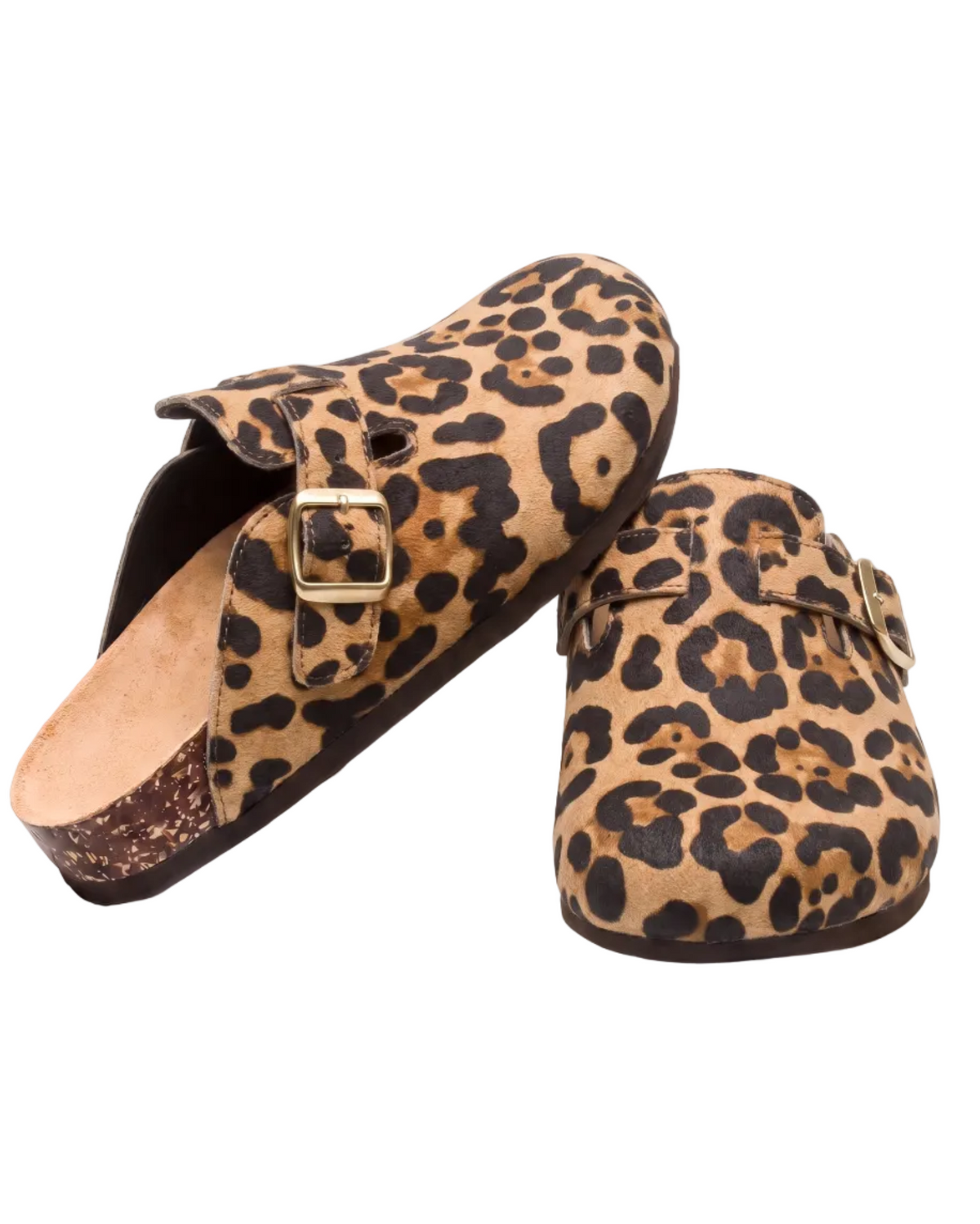
It's 20 °C in the living room, you're wearing a thick jumper… and yet your feet are still frozen. It's one of the most common winter complaints, and it isn't inevitable. Most of the time, a few everyday details make all the difference: the floor you walk on, what you wear on your feet, and how long you stay without moving. Here's what really works.
In short
- The cold mostly comes from the floor: insulate that contact before turning up the heating.
- A lined slipper that reaches the ankle beats two pairs of socks.
- Dry feet are warm feet: avoid damp cotton.
- Move for a few minutes every hour, especially when working from home.
Why do your feet get cold, even in a heated home?
Feet are far from the heart, and the body sacrifices them first: when it's cold, it reduces blood flow to the extremities to protect the vital organs. Add tiles or floorboards that "draw" heat away on contact, plus a few hours sitting in front of a screen, and you end up with icy toes while the rest of your body feels fine.
The good news is that you can act on all three factors: contact with the floor, insulation of the foot, and circulation.
10 tips to keep your feet warm at home
1. Cut off contact with the cold floor
A tiled floor can be much colder than the air in the room. A thick rug under the desk or sofa, and above all a sole that really insulates, change everything. It's the first thing to do, even before turning up the thermostat.
2. Choose lined slippers that reach the ankle
An open slipper lets heat escape through the heel and ankle. A faux-fur lined style with a cuff that wraps around the ankle keeps the warmth exactly where it's lost the most. That's the whole idea behind our Merano slipper, lined up to the ankle and designed to be slipped on as soon as you get home.
3. Keep your feet dry
A foot that sweats and then cools down quickly becomes a frozen foot. Avoid staying in damp cotton socks, choose breathable fibres, and let your slippers air-dry rather than on a radiator.
4. Move every hour
When working from home, you can easily stay seated for three hours. A few minutes of walking, rising onto your tiptoes or rolling your ankles gets the circulation going far more effectively than an extra pair of socks.
5. Layer without squeezing
Two pairs of tight socks compress the foot and slow down circulation: the opposite of what you want. Better to wear one comfortable sock inside a lined, gently enveloping slipper.
6. Treat yourself to a warm foot bath in the evening
Warm, not hot: a bath that's too hot dilates the blood vessels and then constricts them sharply. Ten minutes is enough, followed by careful drying, including between the toes.
7. Warm up the bed before going to sleep
A hot-water bottle slipped to the foot of the bed a quarter of an hour before bedtime means you don't start the night with cold feet, which often delays falling asleep.
8. Stop the draughts
A door draught excluder, a thick curtain in front of a bay window, a rug by the entrance: cold air circulates close to the floor, right at the level of your feet.
9. Don't get chilled popping out for two minutes
Taking out the bins or picking up a parcel in thin slippers is the best way to come back with icy feet for an hour. A lined style with a grippy sole, like our Alba outdoor slipper or the Bormio lined clog, lets you step outside without changing shoes.
10. Think about what you eat and drink
A hot drink mostly warms the spirits, but a proper meal really helps the body produce heat. Skipping a meal in the middle of winter often means colder extremities in the afternoon.

The right slipper for cold feet: 3 criteria
A thick lining that breathes. A dense faux-fur lining keeps the warmth in without making you sweat, which is essential if you wear your slippers for hours at a time.
A sole that insulates. The thicker and more cushioned the sole, the less the cold from the floor creeps up. It's the most often overlooked criterion.
Support at the ankle. A cuff or a short shaft stops cold air from rushing in at the back of the foot.
To go further, our guide to choosing lined shoes for winter explains the differences between indoor slippers, lined clogs and ankle boots.
Frequently asked questions
Why are my feet always cold, even with socks on?
Often because the cold comes from the floor, not the air. A sock barely insulates you from tiles: a thick sole and a rug are far more effective. Staying still for long periods also plays a big part.
Should you sleep with socks on?
If it helps you fall asleep, yes, as long as they're clean, dry and not too tight. A hot-water bottle at the foot of the bed is a good alternative.
When should cold feet be a concern?
If your feet turn white or purplish, if they're painful, or if the feeling persists even when you're warm, talk to your doctor: some circulation problems show up this way first.
Read also
- Slippers or barefoot at home: which is better?
- Working from home: what to wear on your feet to feel good all day
- Cosy night in: our ideas for the perfect atmosphere
All our lined winter styles, in peach-skin soft vegan suede, are gathered in our cold-season collection. Free delivery and 60 days to change your mind.