As soon as they're through the door, some people kick everything off and walk barefoot, while others immediately slip on their slippers. Both have their fans, and their arguments. In reality, the right answer mainly depends on three things: your floor, the season and how much time you spend on your feet at home.
In short
- Barefoot: pleasant on a warm, clean floor, for short periods.
- Slippers: better on tiles, in winter and for long days at home.
- The best compromise: alternate, and choose a slipper that really supports your foot.
The benefits of walking barefoot at home
Walking barefoot feels freeing. The foot moves freely, the toes spread out, you feel the floor under your steps. On wooden floors or a rug, at a pleasant temperature, it's a real moment of relaxation after a day in closed shoes.
It's also the simplest option in summer, when the floor is warm and you're mostly looking to keep cool.
The limits of going barefoot every day
The cold. Tiles or a polished concrete floor "steal" heat from your feet on contact. In winter, a few minutes are enough to get icy feet, and your whole body feels the discomfort.
Hard floors over time. On a rigid surface with no cushioning at all, days spent standing (cooking, cleaning, working at a standing desk) can tire your feet and heels. If you regularly feel pain, a podiatrist's advice remains the best reference.
Hygiene and small accidents. Crumbs, small objects, a splinter from old floorboards: barefoot, you're more exposed. And a wet bathroom floor can quickly become slippery.

What about socks?
Socks on their own are a practical but imperfect middle ground: they barely insulate you from a cold floor, slip on tiles and varnished wood, and wear out very quickly under the sole. They're mostly useful together with a slipper, or on a rug.
Why a good slipper changes your everyday life
A slipper isn't just a cosy accessory. Well chosen, it solves all three barefoot problems at once: it insulates you from the floor, cushions every step and doesn't slip. As long as it's designed to be worn for a long time.
- A cushioned insole that follows the arch of your foot, so you don't feel the hardness of the floor.
- A non-slip outsole, essential on tiles.
- A breathable material, so your feet don't get clammy after an hour.
- Easy to slip on, otherwise you end up not wearing them.
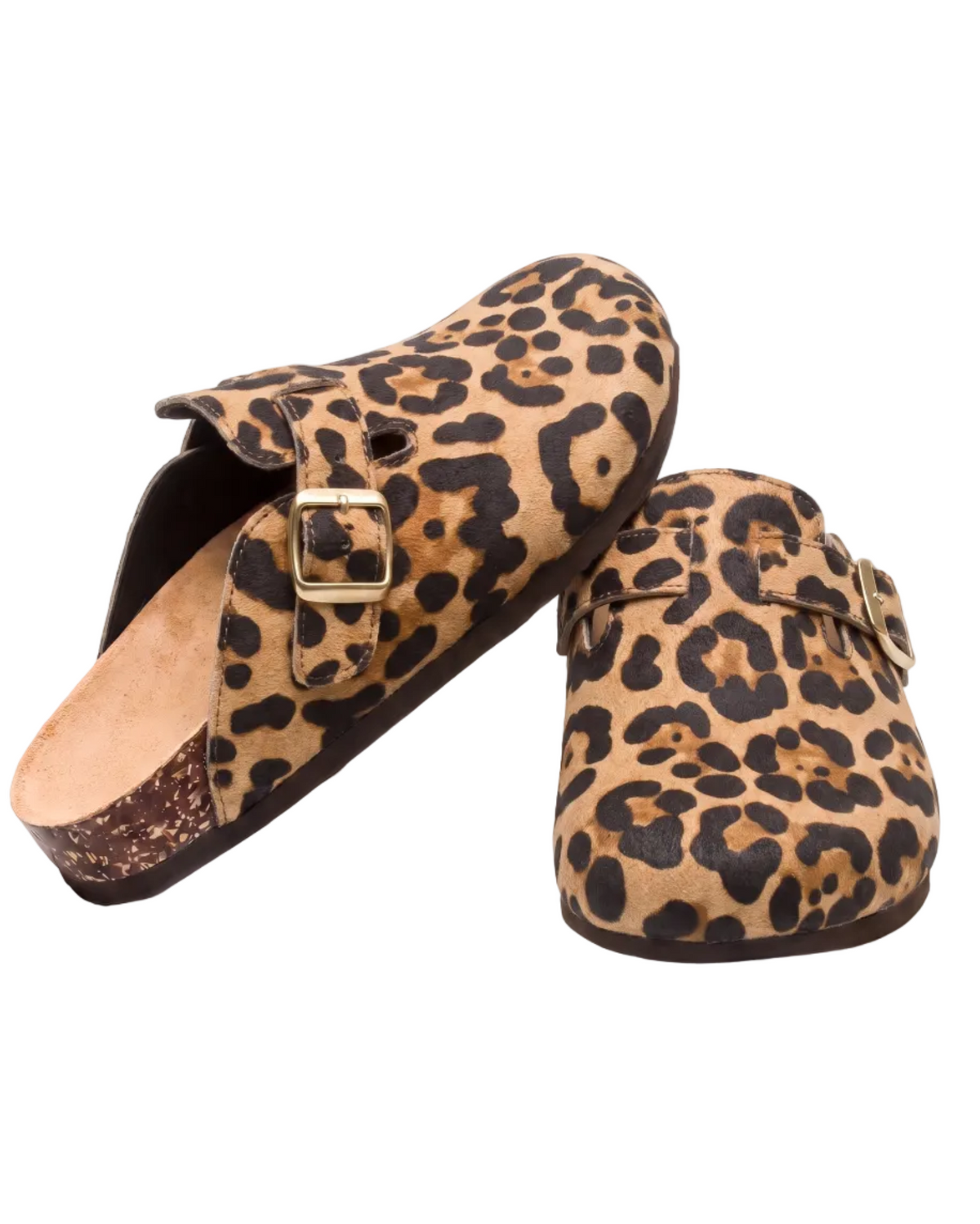
In winter, a lined slipper like our Merano slipper keeps the warmth in right up to the ankle. The rest of the year, a backless clog like the Sienna clog slips on in a second and supports your foot all day, with its cushioned footbed and its heel set in a deep cup.
Our advice: alternate depending on the moment
You don't have to choose once and for all. Barefoot for a few moments on a rug in the evening, slippers in the morning on the kitchen tiles and during long hours of working from home: that's often the best balance. The key is to listen to your feet. If they're cold or tired at the end of the day, they're missing insulation or support.
Frequently asked questions
Is it bad to walk barefoot at home?
No, not in itself. It's mostly a question of floor, temperature and duration. On a cold or hard floor, for long hours, comfortable slippers are more pleasant.
Should you wear slippers all day?
If you wear them for long periods, choose a style that supports the foot and breathes. A slipper that's too soft or too tight quickly becomes uncomfortable.
Slippers or clogs: what's the difference?
A slipper usually wraps the whole foot and is all about warmth. A clog leaves the heel free, slips on faster and can be worn at home as well as outdoors.
Read also
- Cold feet at home: 10 tips that really work
- Comfortable shoes for standing all day
- How to wash and care for your slippers
Discover all our vegan suede slippers and clogs in the All our styles collection. Free delivery and 60 days to change your mind.