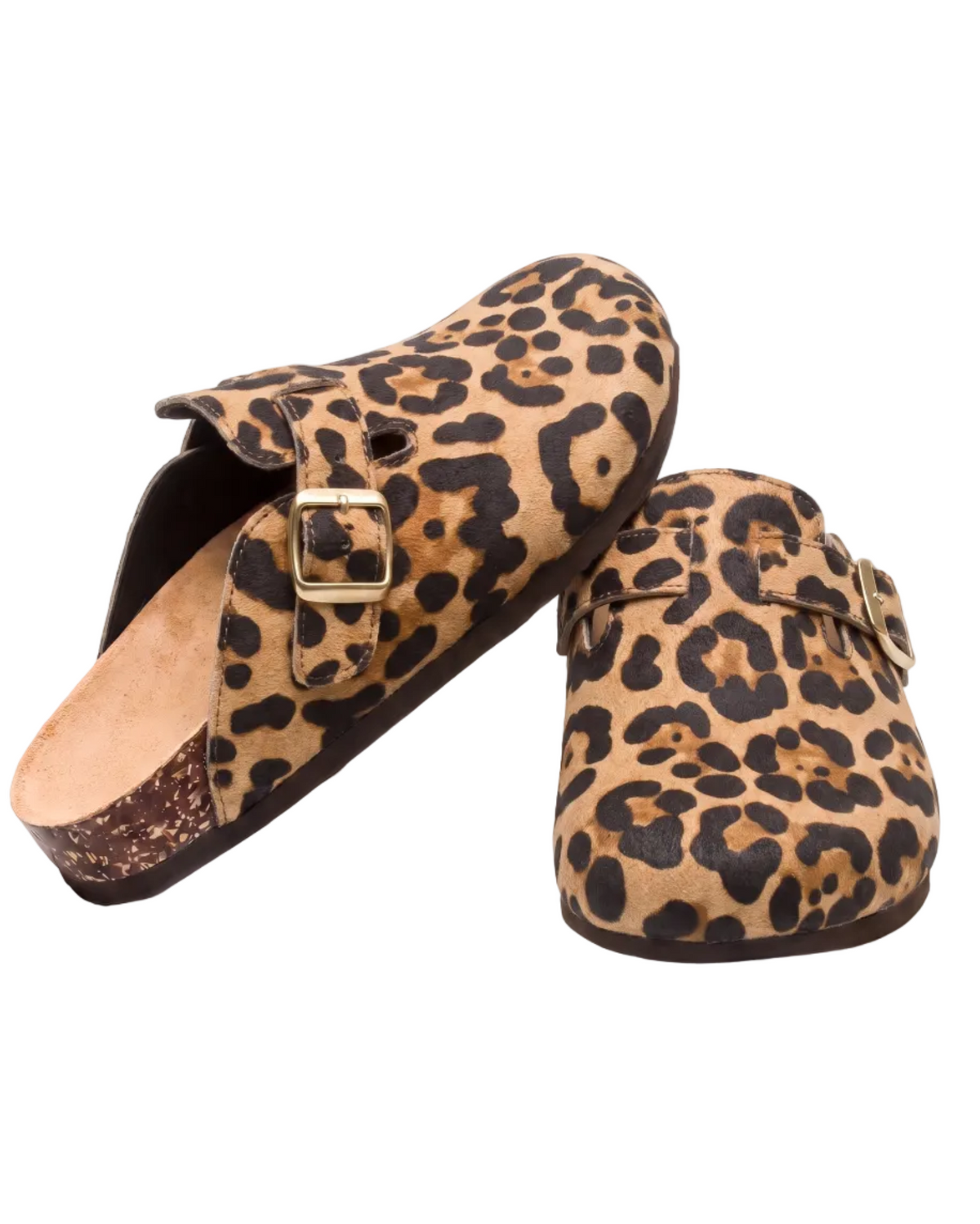
Microsuede and vegan suede have that soft, slightly powdery feel that gives them all their charm. People often think they're fragile, but that's not the case: with three or four simple habits, these materials age very well. The secret lies mainly in regular care and in avoiding a few mistakes.
In short
- A quick brush with a soft brush after each outing is enough to look after the nap.
- A waterproofing spray before the first wear limits stains.
- Got them wet? Let them air-dry, then brush.
- Never a radiator, a scorching hair dryer or harsh products.
Microsuede, vegan suede: what are we talking about?
Microsuede is a fabric with a velvety feel that imitates the look of suede. Vegan suede, like the one we use, is a dense microfibre with a "peach skin" feel, with no animal-derived materials at all. Both share the same strength and the same constraint: a short nap that gives softness and needs to be brushed rather than rubbed. To understand the differences with real suede, read our article vegan suede, microsuede, suede: what's the difference?
The ideal care kit
- A soft-bristled brush, to remove dust and lift the nap.
- A suede eraser or crepe brush, for light marks and shiny areas.
- A microfibre cloth, used barely damp.
- A waterproofing spray suitable for napped materials (suede and nubuck).
Before the first wear: protect
A waterproofing spray applied from about 20 cm, in a thin, even coat, creates a barrier against water and stains. Test it first on a small, inconspicuous area, let it dry for several hours, then reapply every few weeks during the wet season.
Every day: brush, always in the same direction
After each outing, a quick brush removes dust before it settles in. Brush with the nap to smooth it, then against the nap on flattened areas to bring back their texture. On a clog worn every day like the Sienna clog, this simple habit makes all the difference after a few months.

Wet shoes: the right method
- Blot excess water with a dry cloth, without rubbing.
- Stuff the inside with absorbent paper to keep the shape.
- Let them dry at room temperature, away from radiators and direct sunlight.
- Once completely dry, brush to give the nap an even look again.
In winter, also watch out for road salt: it leaves white marks. A slightly damp cloth, then a brush once dry, is usually enough to make them disappear.
Stains: act fast, but don't rub
Grease: fuller's earth or cornflour, left for several hours, then brushed off. Light mark: suede eraser, with small movements. Mud: wait until it's completely dry before brushing. In every case, avoid rubbing a wet stain: you would spread it and push it in.
Storing your shoes between seasons
Clean them before putting them away, slip paper inside so they keep their shape, and store them somewhere dry and well ventilated, ideally in a fabric bag rather than plastic. Your winter styles like the Bormio lined clog will then be waiting for you, intact, the following year.
Frequently asked questions
Can you wear vegan suede shoes in the rain?
An occasional shower isn't a problem, especially if the shoes have been waterproofed. Just let them dry thoroughly in the open air before brushing.
How do you revive a faded colour?
Most of the time, it's the flattened nap that makes the colour look dull. Brushing against the nap is usually enough to bring back the original shade.
Should you use shoe polish?
No, never. Polish is meant for smooth leather and would flatten the nap for good.
Read also
- How to wash and care for your slippers without damaging them
- How to choose suede clogs
- How to wear clogs in autumn and winter
All our shoes are made of peach-skin soft vegan suede and can be cared for with a soft brush. Discover them in All our styles.