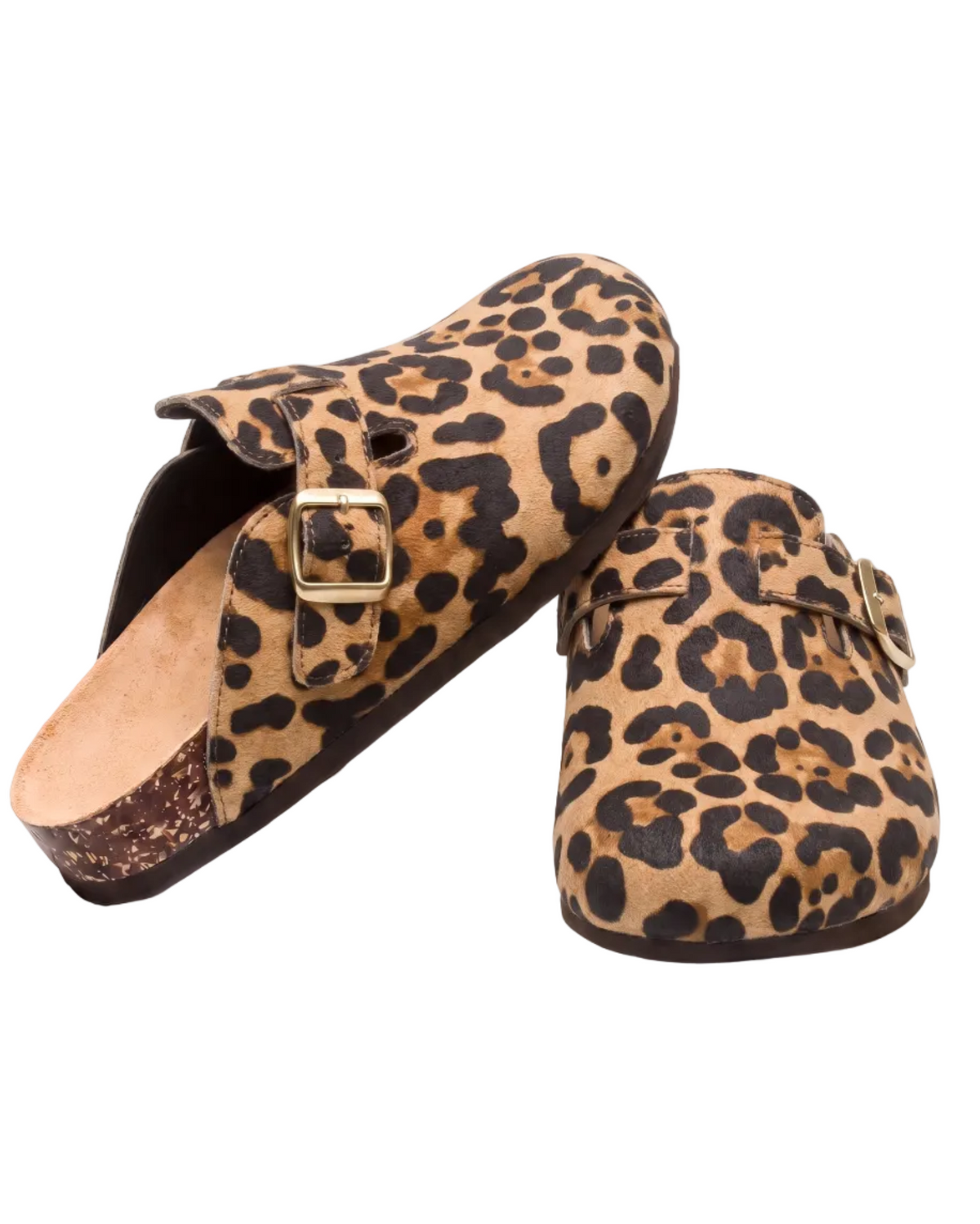
You've finally found the perfect pair, you wear it all day the very next day… and by evening, two blisters on your heel. A classic scenario, yet one that's easy to avoid with a little method.
In short
- The right size is the first protection against blisters.
- Wear your new shoes at home first, in short sessions.
- Adjust buckles and straps so your foot doesn't slide.
- Keep your feet dry.
Why blisters form
A blister forms when skin rubs repeatedly against the shoe, especially if the foot is damp. The most common causes: the wrong size, a foot that slides in the shoe, a stiff material or a badly placed seam.
The 6-step method
1. Choose the right size
Too big, and the shoe lets your foot slide and rub. Too small, and it squeezes. Measure your foot at the end of the day and check our size guide, or our article which size to choose.
2. Start at home
Wear your new shoes for an hour or two at home for the first few days. You'll spot sensitive areas without being stuck outside.
3. Increase gradually
A short outing, then half a day, then a full day. Give the material time to soften.
4. Adjust buckles and straps properly
Your foot shouldn't slide forward. With an adjustable-buckle clog like the Sienna, adjust for a firm hold without squeezing. On a two-strap sandal like the Ravello, adjust each strap separately.
5. Choose the right socks
Dry socks with no thick seam at the heel reduce friction. Avoid damp cotton over a long day.
6. Protect sensitive areas
If you feel a friction point, protect it with a suitable plaster before a blister appears.

The choice of material matters
A soft, supple material limits friction from the first wear. Vegan suede, with its peach-skin feel, doesn't need "breaking in" like stiff leather. A cushioned footbed with a well-cupped heel also stabilises the foot.
What if the blister is already there?
Avoid popping it if possible, protect it with a suitable plaster and let the area breathe. If it becomes infected or very painful, or if you are diabetic, see a healthcare professional.
Frequently asked questions
How long does it take to break in new shoes?
It depends on the material: a few wears are enough for a soft material, more for stiff leather.
What if the size turns out to be wrong?
At Breya, size exchanges are free for 60 days, as long as the pair hasn't been worn outside and is in its original packaging. That's why it's worth trying them at home first.
Do clogs cause blisters?
Rarely, if the size is right and the buckle well adjusted: the open back avoids rubbing at the heel.
Read also
- Which size to choose for slippers or clogs?
- Comfortable sandals: how to choose them
- Which comfortable shoes to pack for travel?
Vegan suede clogs, sandals and slippers, soft from day one: discover All our styles.