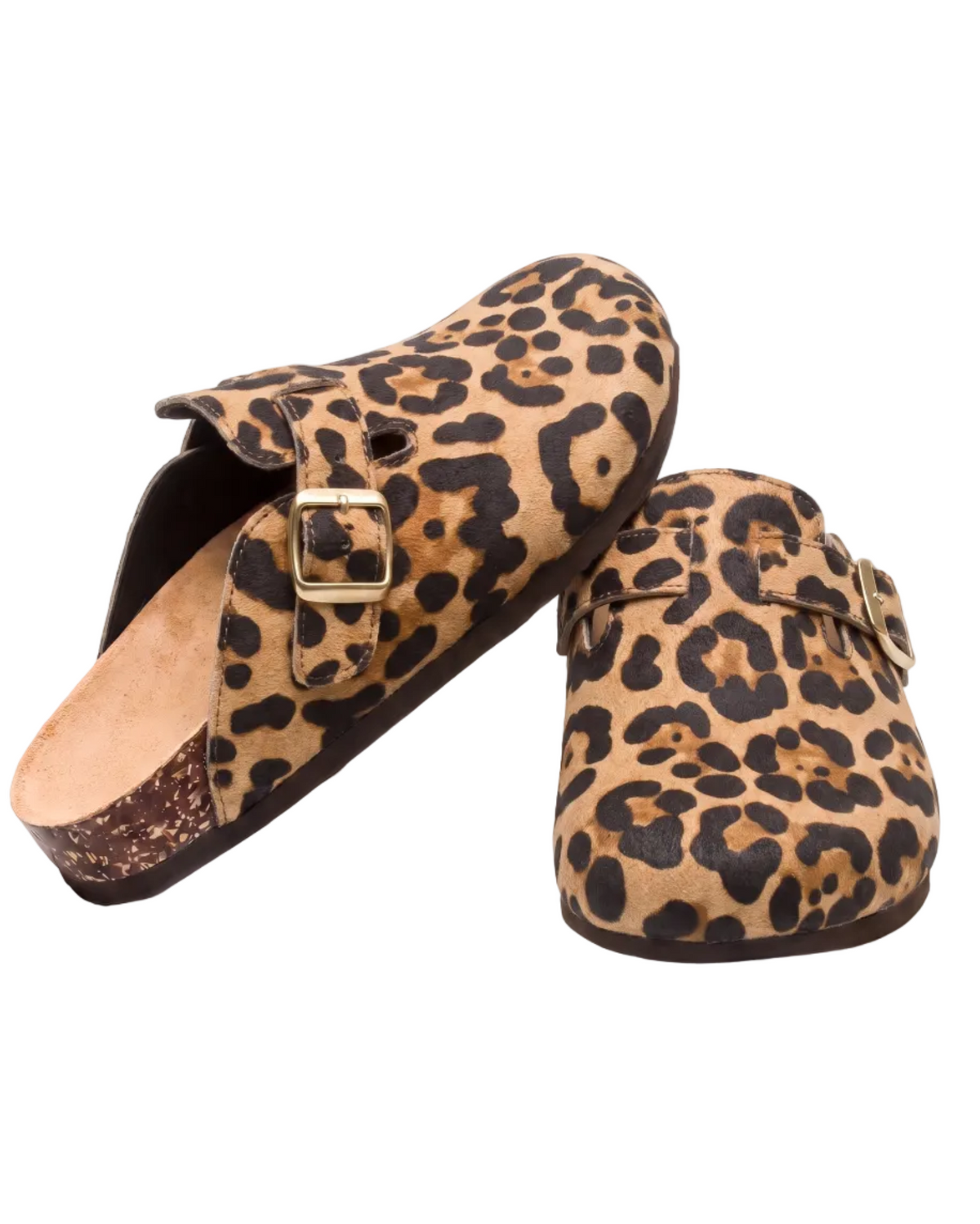
Suede clogs are rarely chosen at first glance. The fabric is soft, the color is pretty in photos — and yet, many end up at the back of the closet after two outings because they're too tight, slip, or were never really designed for daily use. Here are the criteria that truly make a difference, and why suede, when used correctly, remains one of the most comfortable materials for summer.
Cushioning: The Real Differentiator Between Comfort and Marketing
Many product descriptions boast "optimal comfort" without ever explaining what actually produces it. The real differentiator is cushioning: a padded insole absorbs shock and reduces pressure points on the arch of the foot, which becomes crucial when wearing the pair for more than two hours straight. This is what distinguishes a mule you take off after an hour of walking from one you forget you're wearing at the end of the day. On our Comfort Suede clogs, the padded insole was specifically designed for this: support that doesn't sacrifice the material's lightness.
Outsole Quality, Often Overlooked
A sole that's too thin transmits every bump on the sidewalk — a detail you only notice after several outings, never in the store. A thicker sole, with a slightly ridged texture, offers better grip and a feeling of stability, particularly useful on uneven surfaces (cobblestones, gravel) that overly flat models handle poorly.
Suede vs. Smooth Leather: Why the Material Changes Everything
Suede has an advantage that smooth leather does not: it breathes. On a closed-toe shoe like a mule, this makes a big difference in summer — less perspiration, a feeling of coolness that lasts longer throughout the day. Another underestimated point: suede gradually molds to the shape of the foot over time, unlike rigid synthetic materials that retain the same shape from day one and never truly soften.
Suede Care: Three Steps to Prolong Its Lifespan
This is the most misunderstood topic among suede buyers, and yet, maintenance remains simple if you know the right habits.
After each outing, a quick brush with a dry suede brush in a circular motion is enough to remove dust and micro-dirt before it embeds in the material.
For a more stubborn stain, absolutely avoid pure water or the washing machine: a light solution of two parts water to one part white vinegar, applied with a slightly damp microfiber cloth, in the direction of the material's grain, works wonders without damaging it.
Finally, always let it air dry, away from direct sunlight or a heat source — suede dislikes both, as they make it brittle over time.
A Style for All Occasions
Last but not least: a good suede mule should be wearable both on a Sunday terrace and during the week with jeans. It's this versatility — not just aesthetics — that justifies buying a pair you'll keep for several seasons rather than a disposable summer model. Neutral tones, like taupe or black, are those that best transcend trends without ever looking dated.
If you already wear a pair of clogs that hurt after an hour, the problem is probably not your shoe size — it's the cushioning. Our Comfort Suede Clogs and our Comfort Suede Sandals share the same philosophy: a breathable material, a supportive sole, designed to be worn for well over one season.