A twelve-hour shift means miles of corridors, endless standing and very few breaks. By the end, feet are swollen, soles burn and heels ache. Here is what to know about shoes for nurses and care staff: during the shift, on the way home, and once you are back.
Key points
- During the shift, follow your workplace rules: professional shoes, often with a closed heel and a certified non-slip sole.
- After the shift, change shoes: letting the foot breathe and moving the pressure points brings relief.
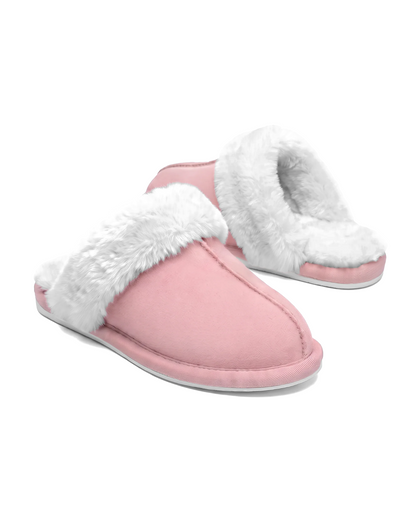
- For the commute and home, a backless mule with a cushioned footbed lets a swollen foot breathe.
- A few minutes of stretching and legs up make a real difference.
During the shift: workplace rules first
In hospitals, clinics and care homes, work shoes must meet hygiene and safety requirements: washable, non-slip on wet floors, often with a closed heel. Our mules are not certified professional footwear: for the shift, go with the styles recommended by your employer or occupational health service.
After the shift: change shoes straight away
Keeping the same shoes on the way home prolongs the pressure in the same places. Changing pairs moves the pressure points and lets a foot that has swollen over the hours breathe. What to look for:
- A free heel: a backless mule doesn't squeeze a sore heel.
- Room: a rounded toe and adjustable fastening for a swollen foot.
- A cushioning sole: a padded footbed that follows the arch.
- Grip outside: a grippy sole if you walk home or take public transport.

Our pairs for after the shift
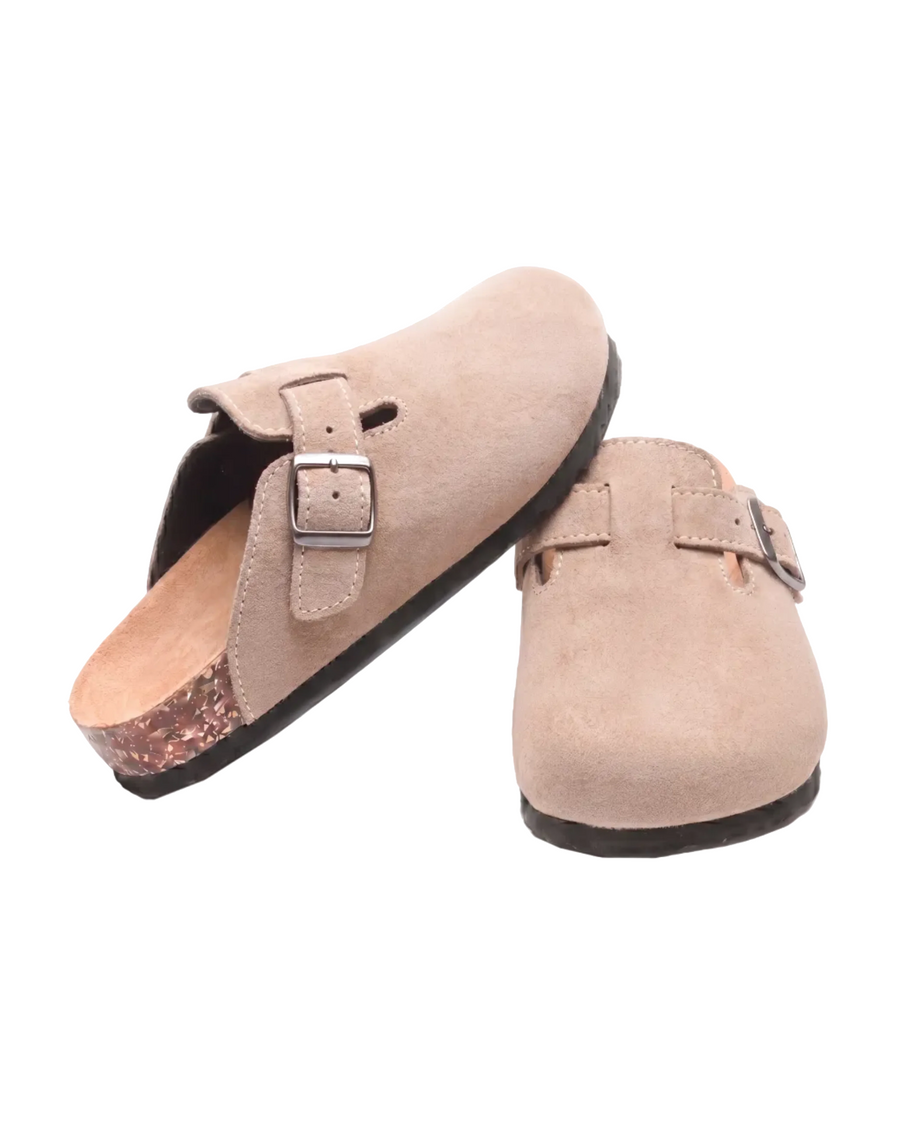
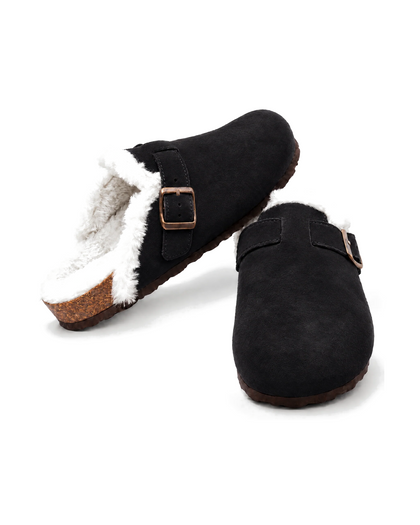
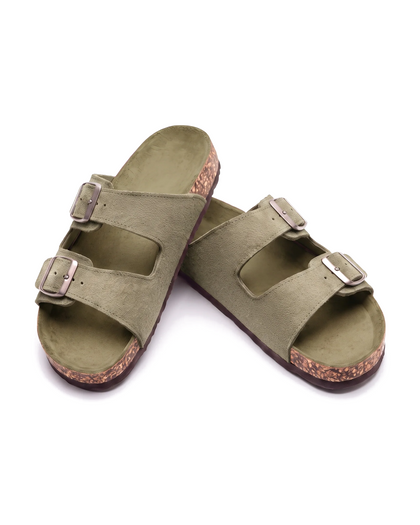
- The Sienna clog: deep heel cup, cushioned footbed, adjustable buckle for a swollen foot.
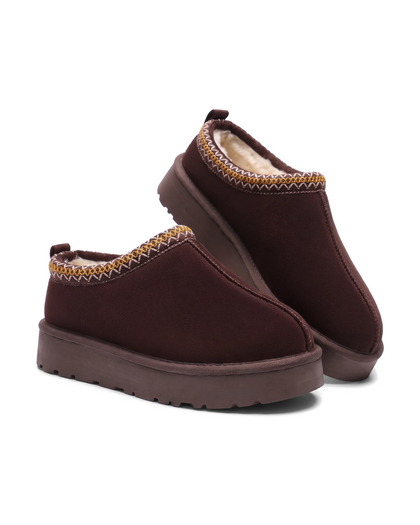
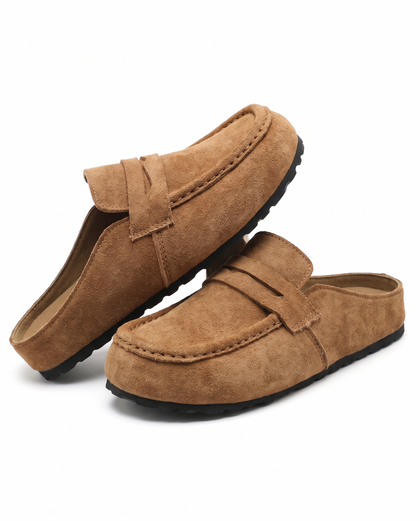
- The Varenna loafer mule: hands-free slip-on, grippy rubber sole for walking home, loafer look.
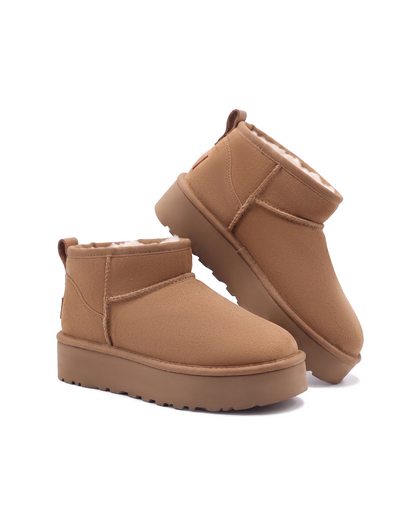
- The fur-lined Bormio clog: the Sienna shape, lined for winter shifts.
Habits that help
- Legs raised for 10 to 15 minutes when you get home.
- Roll the sole of your foot over a ball or a cool water bottle.
- Stretch your calves against a wall, 30 seconds each side.
- Alternate two pairs of work shoes from one day to the next so they dry and regain their shape.
If heel or arch pain persists, talk to a podiatrist or your doctor. More tips in swollen feet at the end of the day.
Frequently asked questions
Can you wear suede clogs during the shift?
Usually not: workplaces ask for washable, certified non-slip shoes. Keep your mules for the commute and home.
Do night shifts need different shoes?
The criteria are the same. Feet swell at night too, so adjustable fastening is still useful.
What gift for a nurse?
A comfortable pair for after the shift is often much appreciated. All our ideas are in gifts for someone who stands all day.
Read also
- Comfortable shoes for standing all day
- Comfortable soles: the 5 criteria
- Why alternate several pairs of shoes
A free heel and a cushioning sole for the way home: discover the Sienna clog, with free delivery and 60 days to change your mind.